 Pin it
 Last October, I found myself at a farmers market with no real plan, just wandering between stalls when the smell of fresh apples hit me—crisp and sharp against the cooler air. That's when I spotted a mountain of butternut squash, and something clicked: why not blend them together? That afternoon experiment turned into this soup, and now whenever September rolls around, someone always asks me to make it again.
I made this for my neighbor one chilly evening when she wasn't feeling well, and watching her take that first spoonful—the way her shoulders just seemed to relax—reminded me why comfort food matters. It's not complicated or show-offy, just genuinely nourishing in a way that feels like someone's looking out for you.
Ingredients
- Butternut squash (1 medium, about 2 lbs), peeled and cubed: The star of the show—its natural creaminess means you don't need a ton of dairy to get that luxurious texture, and it adds a earthy sweetness that apples alone can't quite achieve.
- Apples (2 medium, such as Gala or Fuji), peeled and diced: Pick ones that are slightly tart; they'll balance the squash's richness and keep the soup from tasting one-note or overly sweet.
- Yellow onion (1 medium), chopped: The foundation layer—it builds flavor quietly and disappears into the background once blended, letting the fruit and squash shine.
- Garlic (2 cloves), minced: Just enough to add depth without making anyone guess what that savory undertone is.
- Vegetable broth (4 cups): Use the good stuff if you can; it makes a noticeable difference in the final flavor, and there's nowhere to hide when the ingredient list is this simple.
- Apple cider or unsweetened apple juice (1/2 cup): This brightens everything up and reinforces that apple flavor in a way that feels natural, not forced.
- Heavy cream or coconut milk (1/2 cup): Optional but honestly worth it—this is what transforms it from soup into something silky that coats your mouth just right.
- Ground cinnamon (1/2 tsp), nutmeg (1/4 tsp), and ginger (1/4 tsp): These three working together create that autumn warmth; use fresh spices from a container you haven't had sitting in your cabinet for three years if possible.
- Salt and freshly ground black pepper: Season as you go, not just at the end—you'll get a better overall balance.
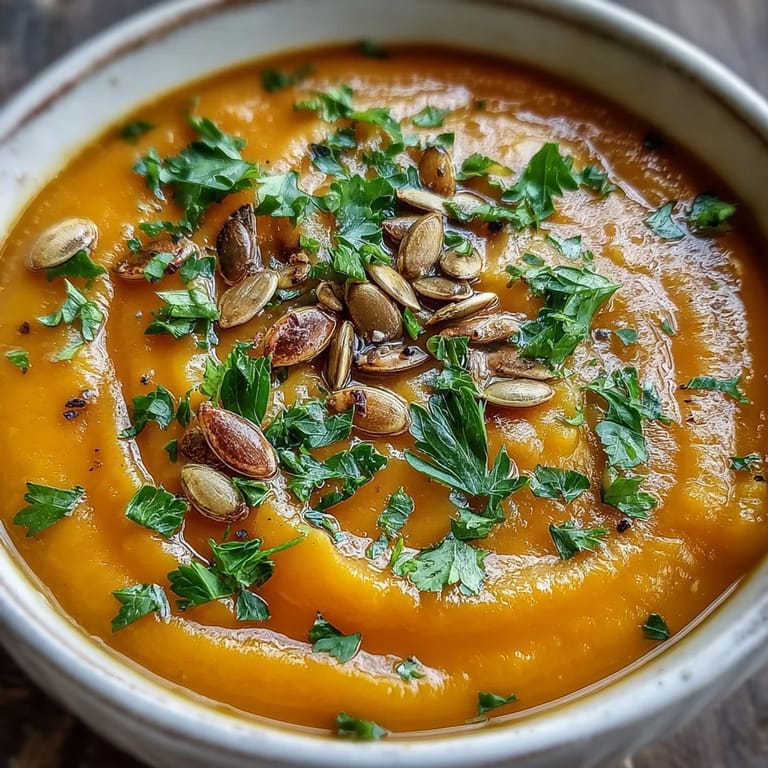
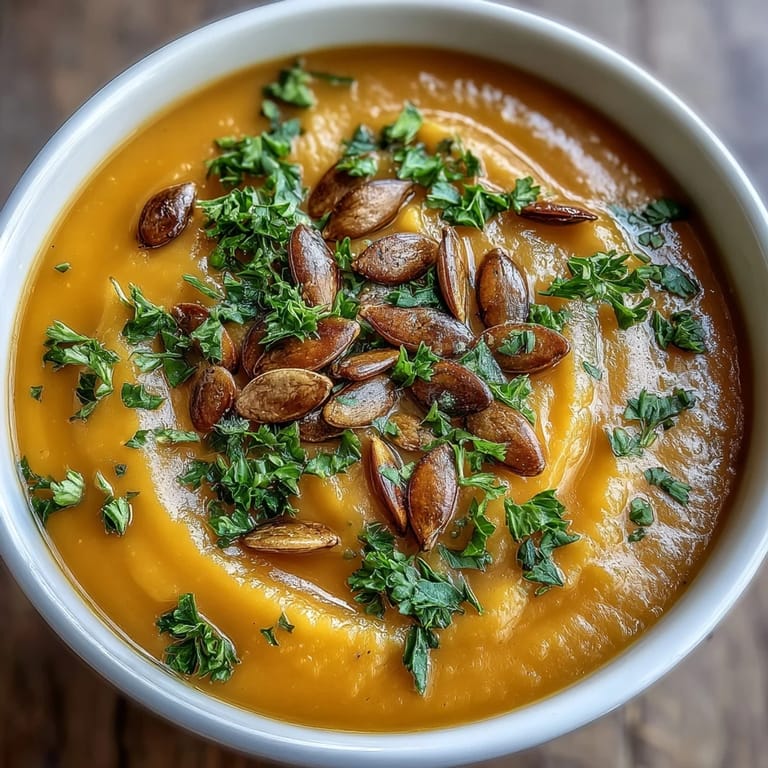
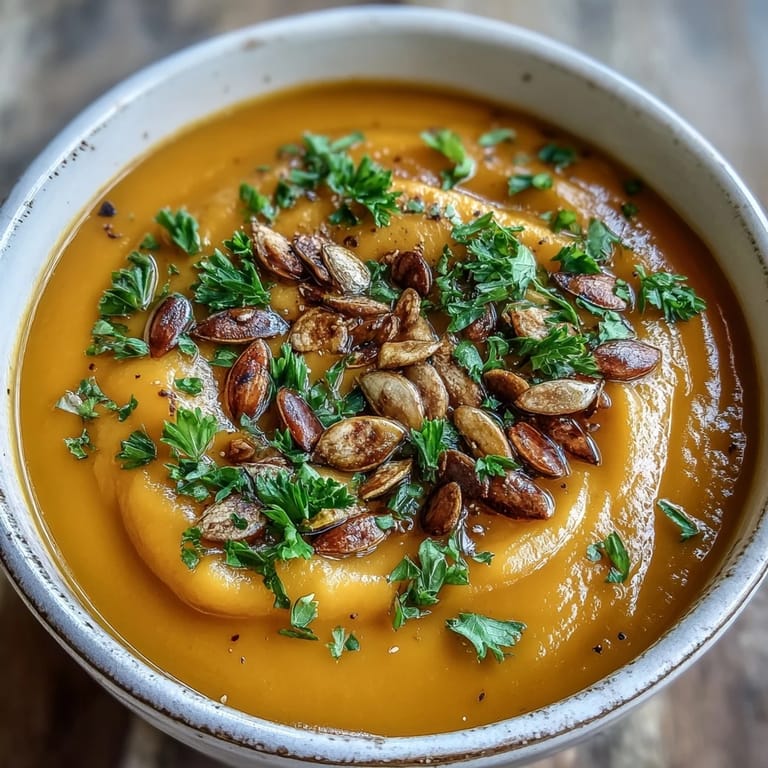
- Toasted pumpkin seeds and fresh parsley (optional garnish): The seeds add a little crunch that makes people actually notice they're eating something special.
Tired of Takeout? 🥡
Get 10 meals you can make faster than delivery arrives. Seriously.
One email. No spam. Unsubscribe anytime.
Instructions
- Build your flavor base:
- Heat olive oil in a large pot over medium heat and let the onion soften for about 4 to 5 minutes—you're listening for it to turn translucent and catch the sound of the oil gently working around it. It's done when it smells sweet and starts to look almost glassy.
- Add the aromatics and main ingredients:
- Stir in the garlic first—just for 30 seconds or so to wake it up—then add the butternut squash and apples and cook for another 3 minutes. You're not trying to cook them through yet, just getting them acquainted with the heat.
- Introduce the warm spices:
- Sprinkle in the cinnamon, nutmeg, and ginger, stirring everything together so the spices coat all the pieces. You'll smell it immediately—that's your signal you've done it right, and it means the flavors are about to bloom.
- Simmer until everything is tender:
- Pour in the broth and apple cider, bring it to a boil, then turn the heat down and let it simmer uncovered for 25 to 30 minutes. The squash and apples should fall apart if you nudge them with a spoon when they're ready.
- Blend into smoothness:
- Take the pot off the heat and use an immersion blender to purée everything until it's completely smooth—no chunks, no hesitation. If you're using a regular blender, work in batches and be careful with the heat; a little splatter is worth avoiding a burnt hand.
- Finish with cream and seasoning:
- Stir in the cream or coconut milk if you're using it, then taste and adjust with salt and pepper. This is the moment to trust yourself—add a pinch, taste, then add more if it needs it.
- Serve warm with garnish:
- Gently reheat if needed and ladle into bowls, then scatter pumpkin seeds and parsley on top if you have them. A crusty piece of bread on the side won't hurt either.
 Pin it
 There's something about serving this soup that brings people into the kitchen before they even sit down, drawn by the smell alone. It's one of those dishes that makes you feel like you know what you're doing even if you've never made it before.
When to Roast First for Extra Depth
If you want to add another layer of flavor that feels almost mysterious, roast your butternut squash cubes at 400°F for about 20 minutes before adding them to the soup—the edges will caramelize slightly and everything gets a little deeper and more complex. It adds maybe 20 minutes to your total time but completely changes the vibe; it's the difference between a weeknight soup and something you'd serve at a dinner party. I only do it when I have time and when I want to feel a little bit fancy.
Adapting for Your Dietary Needs
This soup is naturally vegetarian and gluten-free, which is one reason it's become my go-to when I'm cooking for a mixed group. Just double-check your broth and any store-bought cream alternative, since sometimes things sneak in unexpected additions.
Making It Your Own
The beauty of this recipe is how willing it is to bend without breaking—I've added a tiny pinch of cayenne pepper for guests who like heat, swapped in pear for half the apple when apples weren't at their peak, and even stirred in a splash of bourbon once for a crowd that appreciated it. Trust your instincts and taste as you go.
- A pinch of cayenne adds subtle warmth without announcing itself too loudly.
- Fresh thyme or sage stirred in at the end brings an herbal note that some people find revelatory.
- If you make this ahead, it actually tastes better the next day after the flavors have gotten to know each other overnight.
 Pin it
 This is the kind of soup that feels like it's been in your family for generations even if you just discovered it last week. Make it once and you'll understand why people come back to it every single fall.
Recipe FAQs
- → Can I make this soup ahead of time?
Absolutely. This soup actually tastes better the next day as flavors have time to meld. Store in an airtight container in the refrigerator for up to 4 days. Reheat gently on the stovetet, adding a splash of broth or water if needed to adjust consistency.
- → What apples work best in this soup?
Sweet varieties like Gala, Fuji, or Honeycrisp work wonderfully. Their natural sweetness complements the squash without becoming tart. Avoid Granny Smith apples as they can make the soup overly acidic.
- → Can I freeze this soup?
Yes, freeze before adding any cream or coconut milk. Let cool completely, transfer to freezer-safe containers, and freeze for up to 3 months. Thaw overnight in the refrigerator, then reheat and stir in your chosen creamy element.
- → How can I make this soup vegan?
Simply use coconut milk instead of heavy cream and ensure your vegetable broth is certified vegan. The coconut milk adds a lovely subtle tropical note while keeping the soup perfectly creamy and plant-based.
- → What can I serve with this soup?
Crusty bread, focaccia, or warm dinner rolls are perfect for dipping. A simple green salad with vinaigrette provides a nice contrast. For heartier meals, pair with a grilled cheese sandwich or quinoa salad.