 Pin it
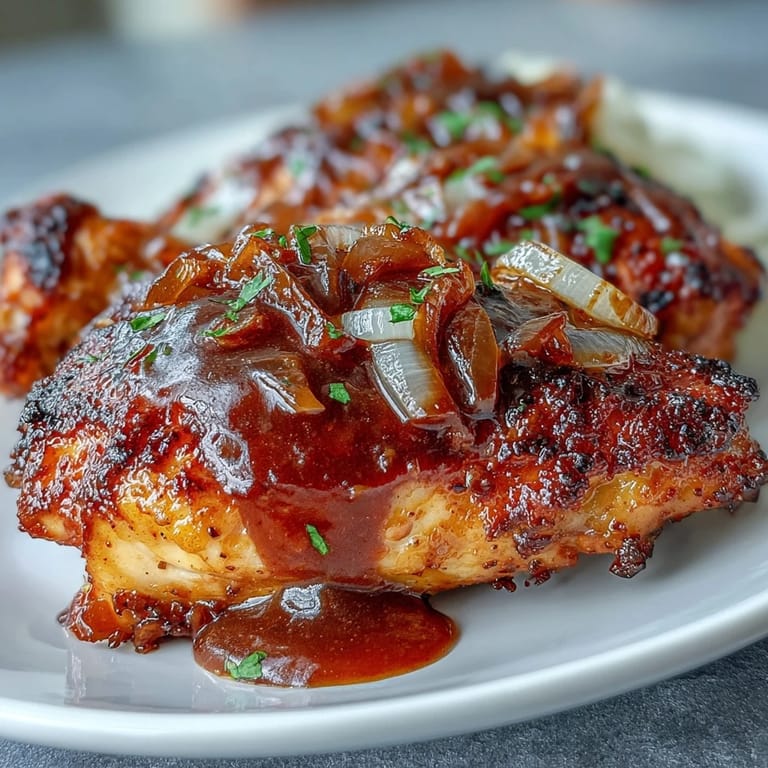
 My grandmother's kitchen smelled like this dish every Sunday without fail—that particular blend of frying chicken and caramelizing onions that somehow made you feel like you were home before you even walked through the door. Years later, when I finally asked her for the recipe, she laughed and said there wasn't one, just instinct and love, but I've spent enough afternoons at her stove to capture what made it magic. This smothered chicken with onion gravy is pure comfort, the kind of meal that doesn't need much fanfare because the food speaks for itself.
I made this for my roommate on a random Tuesday night when she'd had a rough week at work, and watching her face light up after that first bite reminded me why Southern cooking exists—it's not about impressing anyone, it's about showing up for people. She asked for seconds before finishing her first plate, and by the end of the meal, we were already planning when I'd make it again. That's when I knew this recipe belonged in my regular rotation.
Ingredients
- Chicken thighs and drumsticks: Bone-in, skin-on pieces stay juicy during that long simmer and give the gravy incredible depth—don't swap them for breasts, they'll dry out and you'll lose half the soul of this dish.
- All-purpose flour: Works double duty here, both for dredging and for thickening the gravy, so don't skip reserving some after breading.
- Vegetable oil: High heat tolerance means your chicken gets that golden crust without burning, and it lets the flavors develop properly.
- Yellow onions: They caramelize into something sweet and complex, completely different from how they taste raw, and that transformation is what makes the gravy special.
- Low-sodium chicken broth: The canvas for everything else—use homemade if you can because it truly changes the depth of flavor in that final gravy.
- Thyme, paprika, and butter: Thyme adds earthiness, paprika brings warmth and color, and butter is what makes the gravy taste like it came from a grandmother's kitchen.
Tired of Takeout? 🥡
Get 10 meals you can make faster than delivery arrives. Seriously.
One email. No spam. Unsubscribe anytime.
Instructions
- Prep and season the chicken:
- Pat everything completely dry with paper towels—this is what gets you that crispy skin, not oil or moisture. Season generously on all sides, getting into the crevices where the skin meets the meat.
- Dredge in flour:
- Roll each piece in the seasoned flour mixture until fully coated, then shake off any excess so you have a thin, even layer. Save that leftover flour for your gravy—it's golden with all those seasonings already mixed in.
- Fry until golden:
- The skillet should be hot enough that the chicken sizzles the moment it hits the oil, and you'll want to hear that sound. Don't move the pieces around too much; let them sit skin-side down for those full 6 to 8 minutes so the skin has time to crisp and turn that beautiful golden brown.
- Build the gravy base:
- After removing the chicken, you'll notice all those brown, crusty bits stuck to the bottom of the skillet—that's liquid gold, pure flavor. The onions cook down slowly in that remaining oil until they're soft and golden, which takes patience but is absolutely worth it.
- Make the roux:
- Sprinkle that reserved flour over the onions and let it toast for a minute or two, stirring constantly, until it smells nutty and slightly browned. This step prevents lumps and adds a deeper, toasted flavor to your gravy.
- Create silky gravy:
- Whisk the broth in slowly, scraping up every bit of caramelized onion and browned chicken bits from the bottom as you go. The gravy will come together and thicken as it simmers, becoming silky and coating the back of a spoon.
- Finish with the chicken:
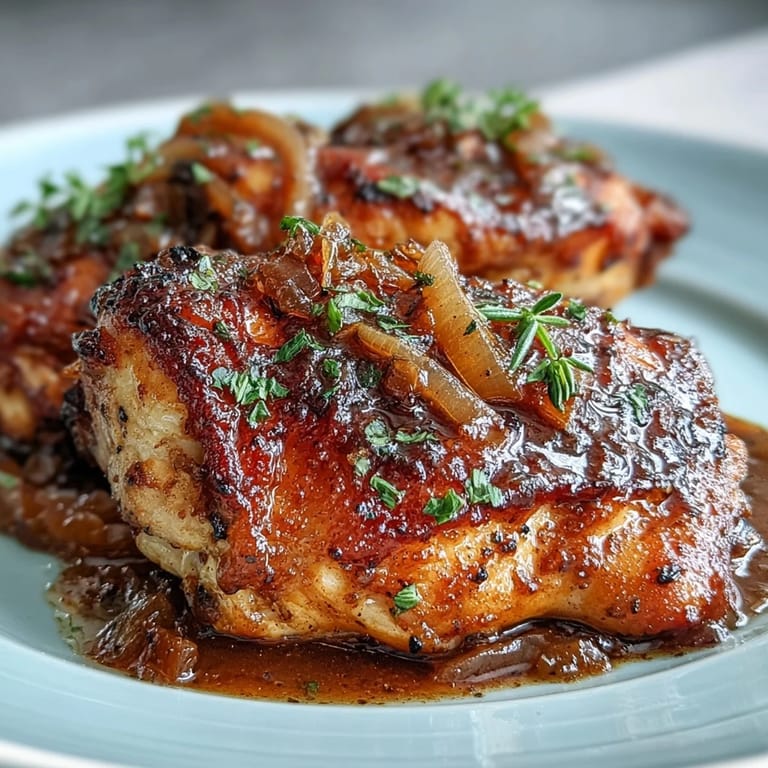
- Nestle the partly cooked chicken back into the gravy, making sure each piece is partially submerged. Cover and let everything simmer low and gentle until the chicken is completely tender and cooked through, which you can check with a meat thermometer or by piercing the thickest part—it should be 165°F and the juices should run clear.
 Pin it
 There's something almost meditative about the moment when you nestle that golden chicken into a pot of rich, steaming gravy—you know the hard work is done and something really beautiful is about to happen. My mom always said that's when you know you're actually cooking, not just following steps.
Why This Dish Matters
Smothered chicken is the backbone of Southern cooking because it represents everything that tradition does best—taking simple ingredients and building layers of flavor through technique and patience. There's no trick here, no fancy equipment or hard-to-find ingredients, just respect for what you're making and the people you're feeding. This is the kind of food that appears on tables for celebrations and hard days alike because it works either way.
The Magic of the Gravy
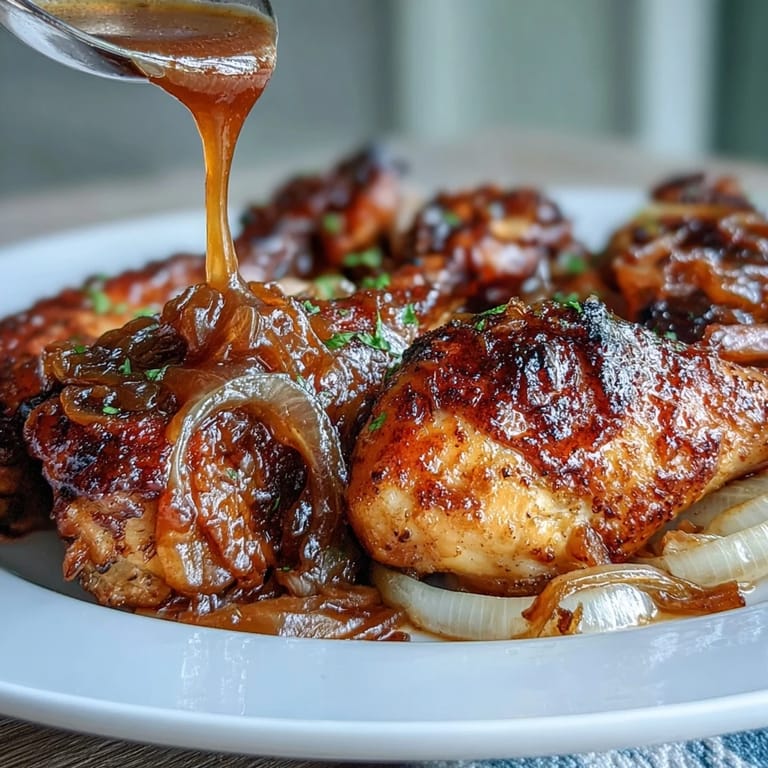
The gravy is honestly where this dish lives or dies, and it's made from nothing but onions, flour, broth, and butter transformed by heat and attention. I've watched people who claim they don't like onions eat three bowls of this gravy because the long, slow cooking breaks down the onion structure completely—it becomes sweet, almost melting, nothing like biting into a raw slice. The key is not rushing it; those 8 to 10 minutes of cooking the onions until they're golden and soft are non-negotiable.
Serving and Storage
This dish tastes even better the next day after the flavors have had time to meld, which makes it perfect for batch cooking if you're feeding a crowd or want easy meals during the week. Serve it over mashed potatoes, rice, or with collard greens on the side, and always spoon extra gravy over everything because there's no such thing as too much here. Store leftovers in an airtight container in the refrigerator for up to four days, and reheat gently on the stovetop with a splash of broth if needed.
- Let it cool completely before refrigerating so the gravy sets properly and reheats smoothly.
- If you're using boneless chicken instead of bone-in, reduce the final simmer time by about 10 minutes so it doesn't fall apart.
- Fresh thyme is lovely if you have it, but dried thyme has such an honest earthiness that I often prefer it for this particular dish.
 Pin it
 Make this when someone needs feeding and comfort at the same time, because that's exactly what it delivers. Your kitchen will smell incredible, and you'll have fed people in a way that matters.
Recipe FAQs
- → How do I achieve a crispy coating on the chicken?
Coat the chicken pieces thoroughly in the seasoned flour mixture and fry in hot oil, skin side down first, until golden brown. Avoid overcrowding the pan to maintain crispiness.
- → What type of onions work best for the gravy?
Yellow onions are preferred for their natural sweetness and depth of flavor when caramelized slowly to create the rich gravy base.
- → Can I use boneless chicken instead?
Yes, boneless, skinless chicken works but reduces simmering time by about 10 minutes to prevent overcooking.
- → How is the gravy thickened?
The gravy thickens by cooking flour with softened onions and gradually whisking in chicken broth, allowing the mixture to simmer until it reaches a sauce-like consistency.
- → What are suitable side dishes to accompany this meal?
Classic Southern sides like mashed potatoes, rice, or collard greens complement the rich flavors perfectly.
- → Can I prepare the onion gravy in advance?
You can prepare the gravy ahead and gently reheat while adding the cooked chicken just before serving to keep the flavors fresh.