 Pin it
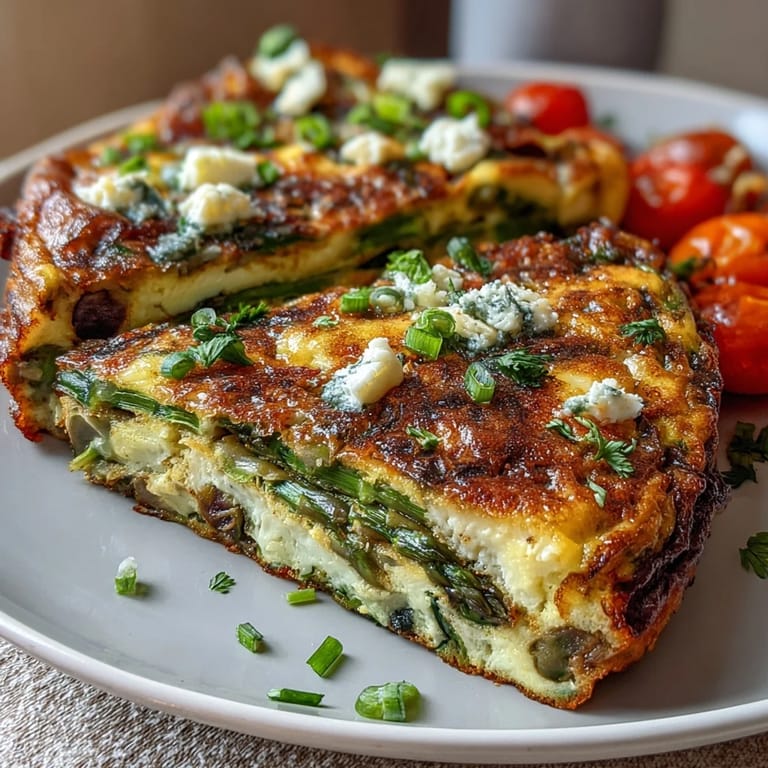
 There's something about a spring morning that makes you want to cook with your hands rather than follow rules, and that's exactly how this frittata found its way into my kitchen rotation. I was rummaging through a farmers market haul on a Saturday, arms full of asparagus and spinach that seemed too beautiful to roast into oblivion, when I thought about eggs and what happens when you treat them like a canvas instead of a side dish. One pan, minimal fuss, maximum flavor—it became the answer to every time someone asks what's for breakfast but you want to feel like you've actually accomplished something.
I made this for my sister on a Sunday when she was between jobs and needed something that felt nourishing but not fussy, and she ate three slices while we sat on the porch talking about nothing in particular. That moment taught me that food doesn't need to be complicated to make someone feel cared for—sometimes a golden, herb-flecked frittata shared in good light is exactly what the day calls for.
Ingredients
- Asparagus: Fresh, tender spears cut into bite-sized pieces are non-negotiable here; thick woody ones will fight back, so trim the bottom third without guilt.
- Baby spinach: The tender, delicate kind that wilts into almost nothing, which is exactly what you want when you're trying to pack greens without the texture fight.
- Cherry tomatoes: Halved so they burst slightly in the heat and release their jammy sweetness throughout the eggs.
- Zucchini: Diced small means it softens quickly and distributes evenly, preventing watery pockets that ruin the texture.
- Red onion: Finely chopped and cooked first so it loses its sharp bite and becomes almost sweet.
- Eggs: Large eggs matter because they're the structure of this whole thing; six is the magic number for a 10-inch skillet.
- Milk: A quarter cup creates a custardy, tender crumb; skip it and you'll get rubbery eggs instead of silky ones.
- Feta cheese: Crumbled generously because it's salty and tangy and doesn't melt into obscurity like other cheeses do.
- Fresh parsley and chives: Added at the very end so they keep their bright color and don't taste like hay.
- Olive oil: Just enough to coat the skillet without making this taste like a deep-fried situation.
Tired of Takeout? 🥡
Get 10 meals you can make faster than delivery arrives. Seriously.
One email. No spam. Unsubscribe anytime.
Instructions
- Heat your skillet and get ready:
- Turn the oven to 375°F and let your 10-inch oven-safe skillet warm over medium heat with a tablespoon of olive oil. You want it hot enough that a drop of water sizzles immediately but not so aggressive that your vegetables burn before they soften.
- Build flavor with the aromatics:
- Toss in the red onion first and listen for that gentle sizzle; it should smell almost sweet after about 2 minutes. This is the foundation everything else sits on, so don't rush it.
- Add the harder vegetables:
- Once the onion softens, add asparagus and zucchini with a pinch of salt and let them cook for 3 to 4 minutes, stirring occasionally. You want them tender but not mushy, still holding their shape with a slight resistance when you bite down.
- Wilt the greens:
- Stir in spinach and cherry tomatoes and watch them transform from raw to silky in about a minute; the heat does the work, you just need to stop and look at how beautiful it all is together.
- Whisk the egg mixture:
- In a separate bowl, whisk together eggs, milk, salt, black pepper, and red pepper flakes until completely combined and slightly frothy on top. This extra air creates a lighter texture as everything bakes.
- Bring it all together:
- Pour the egg mixture evenly over the vegetables in the skillet, making sure it reaches all the corners and pools around the edges. Sprinkle feta, parsley, and chives over the top like you're decorating something you're proud of.
- Start on the stovetop:
- Let everything cook on medium heat for 2 to 3 minutes until the very edges start to look set but the center still jiggles when you give the pan a gentle shake. This head start matters.
- Finish in the oven:
- Transfer the whole skillet to the 375°F oven and bake for 10 to 12 minutes until the center is just set and the top is lightly golden. Overbaking turns it dense and disappointing, so set a timer and trust it.
- Rest and serve:
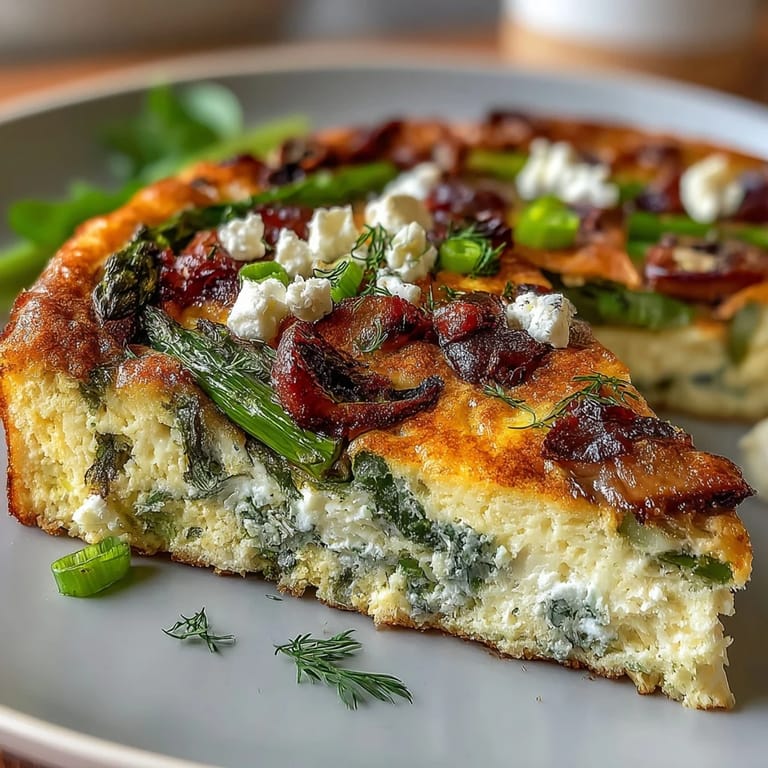
- Let it cool for a few minutes so the structure sets completely, then slice into wedges and serve warm or even at room temperature. Cold frittata is its own unexpected gift the next morning.
 Pin it
 There's a particular magic in how this dish sits somewhere between a complete breakfast and a light lunch, never quite committing to either category and somehow better for it. I've served it to people who swore they didn't like eggs, and they've gone back for seconds without irony.
Vegetables You Can Swap In
Spring peas are lovely stirred in at the very end so they stay plump and sweet, leeks can replace red onion if you want something more delicate, and fresh mint can stand in for chives when herbs are what you have available. Mushrooms are wonderful if you sauté them first to remove excess moisture, and roasted red peppers add sweetness without the water content of raw tomatoes. The principle is simple: use what's in season and what makes your kitchen smell good when you're chopping.
Making It Work for Different Diets
For dairy-free versions, swap the milk for any plant-based alternative and either skip the feta entirely or use a cashew-based cheese that crumbles similarly. The frittata won't suffer; it'll just taste like itself without the tangy edge. Nutritionally it remains protein-packed and satisfying because eggs are doing all the heavy lifting anyway.
Serving and Storing
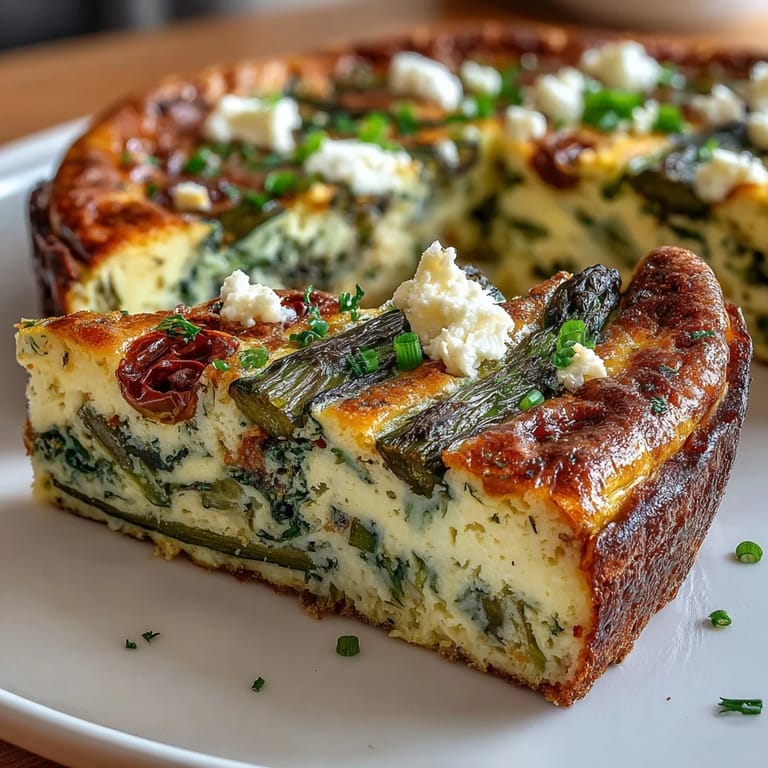
This frittata is genuinely excellent at room temperature, making it perfect for picnics or meals eaten standing up at the kitchen counter. It keeps covered in the refrigerator for three days and reheats gently in a 300°F oven so it doesn't dry out. Pair it with a simple green salad, crusty bread to soak up any runny bits, and either coffee if it's morning or a crisp Sauvignon Blanc if it's evening.
- Slice it into smaller pieces for appetizers or cut large wedges for a proper meal.
- Cold frittata with fresh lemon juice squeezed over top tastes unexpectedly bright and alive.
- Make a double batch in two skillets if you're feeding more than four people because this disappears fast.
 Pin it
 This frittata became the thing I make when I want to feel like I'm cooking something real without the pressure of perfection, and somehow that's when the best meals happen. It's the kind of dish that tastes like you care without requiring you to spend your whole morning in the kitchen.
Recipe FAQs
- → What vegetables work best in this frittata?
Asparagus, baby spinach, cherry tomatoes, zucchini, and red onion offer a fresh spring flavor, but peas or leeks can be great seasonal swaps.
- → Can I make this dairy-free?
Yes, substitute milk with a plant-based alternative and omit or replace feta with a dairy-free cheese option.
- → What is the best way to cook the frittata evenly?
Sauté veggies until tender, pour the egg mixture evenly, cook briefly on the stovetop, then bake in a preheated oven until the center sets and top turns lightly golden.
- → How can I add more flavor without overpowering the dish?
Use fresh herbs like parsley and chives, and a pinch of crushed red pepper flakes to enhance taste while keeping the frittata refreshing.
- → What are suitable serving suggestions?
Serve warm or at room temperature alongside a mixed green salad and crusty bread; pairs nicely with a crisp white wine like Sauvignon Blanc.