 Pin it
 My neighbor showed up one April afternoon with a small bundle of violets from her garden, wrapped in tissue paper like they were spun gold. She mentioned wanting to do something special with them for a spring dinner party, and I found myself volunteering to bake something that could showcase them. That's when this cake came together—not from a recipe I'd memorized, but from a desire to frame those tiny purple flowers in something as delicate and fleeting as spring itself.
I baked this for my daughter's graduation tea, and watching her friends carefully pick flowers off their slices to admire them before eating reminded me that food can be art without trying too hard. One girl actually saved hers in her phone case—now that's a compliment that beats any review.
Ingredients
- All-purpose flour (2 1/2 cups): The foundation of a tender crumb; sifting it with the leavening agents prevents lumps and aerates the batter for a lighter cake.
- Baking powder (2 1/2 tsp): Use fresh powder that hasn't been sitting in your cabinet for two years—it loses potency and you'll end up with a dense cake instead of the delicate result you want.
- Salt (1/2 tsp): A small pinch that actually makes the vanilla sing; don't skip it thinking you're being healthy.
- Unsalted butter (1 cup), softened: Room temperature butter creams properly with sugar, trapping air bubbles that make the cake rise evenly and feel feathery on your tongue.
- Granulated sugar (1 3/4 cups): This isn't just sweetness; beating it with butter for a full 3 to 4 minutes creates the structure that keeps the cake moist for days.
- Large eggs (4), at room temperature: Cold eggs won't incorporate smoothly and your batter might look curdled; pull them out an hour before baking or sit them in warm water for five minutes.
- Pure vanilla extract (1 tbsp): The heart of this cake; imitation extract tastes thin and almost chemical by comparison, and you'll notice the difference.
- Whole milk (1 cup), at room temperature: The alternating method with flour keeps the batter from becoming tough, and room temperature milk blends in without shocking the batter.
- Heavy whipping cream (2 cups), cold: Chill your bowl too; cold cream whips into stiff peaks much faster than room temperature cream.
- Powdered sugar (1/2 cup): Sift this before adding if you notice lumps; lumpy frosting never fully dissolves into the cream.
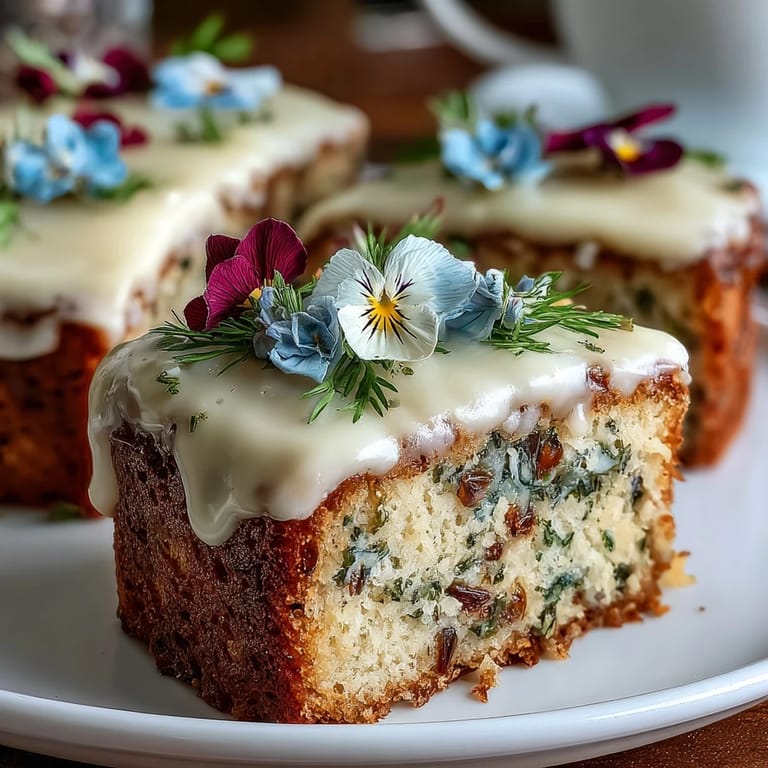
- Pressed edible flowers (1/2 to 1 cup): These must be organically grown and pressed flat between parchment and heavy books for at least 24 hours, or they'll look wilted and won't adhere properly to the frosting.
- Fresh mint leaves (optional): A whisper of green between purple and cream adds visual balance and a subtle freshness.
Tired of Takeout? 🥡
Get 10 meals you can make faster than delivery arrives. Seriously.
One email. No spam. Unsubscribe anytime.
Instructions
- Prepare your stage:
- Preheat the oven to 350°F and grease two 8-inch round pans with butter, then line the bottoms with parchment circles—this extra step means your cakes won't stick at the edges where they matter most. The parchment should sit flat without bubbles.
- Build the dry foundation:
- Sift flour, baking powder, and salt into a medium bowl, breaking up any hidden lumps from humidity or time on the shelf. The sifting motion incorporates air and prevents dense pockets in your final cake.
- Cream butter and sugar into clouds:
- In a large bowl with an electric mixer, beat softened butter and sugar for 3 to 4 minutes until the mixture is pale, fluffy, and noticeably lighter in color—this is where the cake gets its tender crumb. You'll see the difference; it should look almost mousse-like.
- Add eggs with care:
- Drop in one egg at a time, mixing until each is fully incorporated before adding the next; this prevents the batter from looking slick or separated. Stir in the vanilla extract after all eggs are in.
- Fold in flour and milk in rhythm:
- Add the flour mixture in three additions, alternating with the milk in two additions, starting and ending with flour—this ancient technique prevents gluten from developing too much and keeps the cake tender. Mix only until each addition just disappears; overmixing toughens the crumb.
- Fill and smooth:
- Divide the batter evenly between the prepared pans using a spatula, then smooth the tops level with a gentle sweep. Slightly heaping the batter in the center of each pan helps the cakes bake evenly without doming.
- Bake until golden and set:
- Bake for 30 to 35 minutes until a toothpick inserted in the center comes out clean and the edges pull slightly away from the pan. The kitchen will smell like pure vanilla—this is your signal that they're nearly done.
- Cool with patience:
- Let the cakes rest in their pans for 10 minutes, then turn them out onto wire racks to cool completely—rushing this step causes them to break and crumble. Complete cooling takes about an hour, and you can speed this by placing the racks in front of a fan.
- Whip the frosting:
- In a chilled bowl, beat cold heavy cream, powdered sugar, and vanilla with an electric mixer until stiff peaks form—this happens faster than you'd expect, so watch carefully or you'll end up with sweet butter. Stop beating the moment the peaks stand up on their own.
- Layer and frost with generosity:
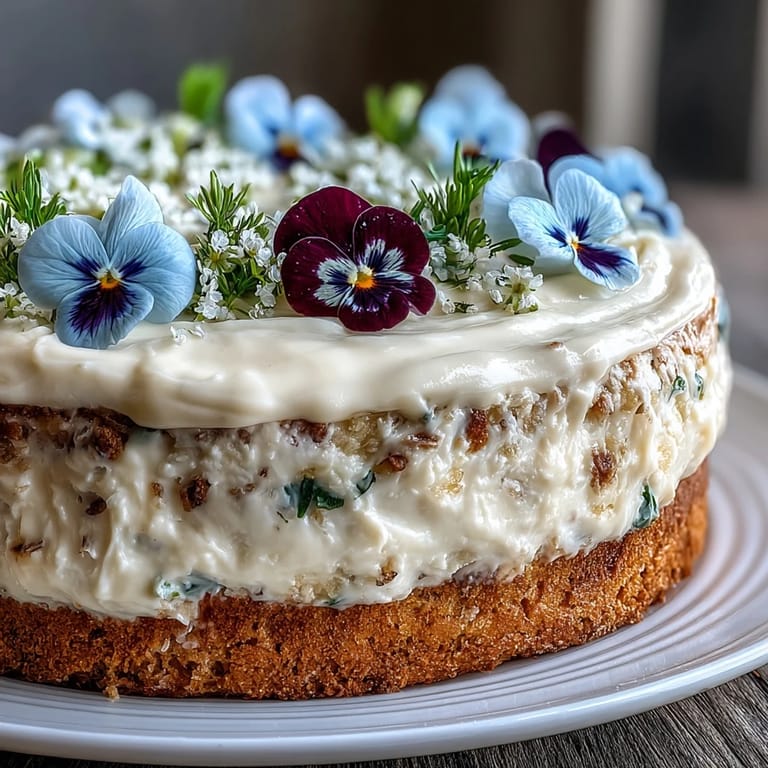
- Place one cake layer on your serving plate and spread a thick layer of whipped cream over it, leaving about a half inch from the edge. Set the second layer on top and frost the top and sides with remaining cream, working quickly so the frosting stays smooth and cold.
- Press flowers into their forever home:
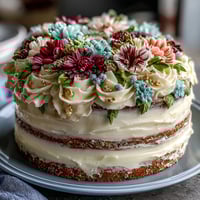
- Gently press your pressed edible flowers onto the sides and top of the cake, working flower by flower—they'll stick lightly to the cold frosting and create an almost botanical garden effect. Tuck mint leaves into gaps if you like.
- Chill before serving:
- Refrigerate the finished cake for at least 30 minutes to set the frosting and help the flowers adhere fully. This also firms up the crumb, making slicing cleaner.
 Pin it
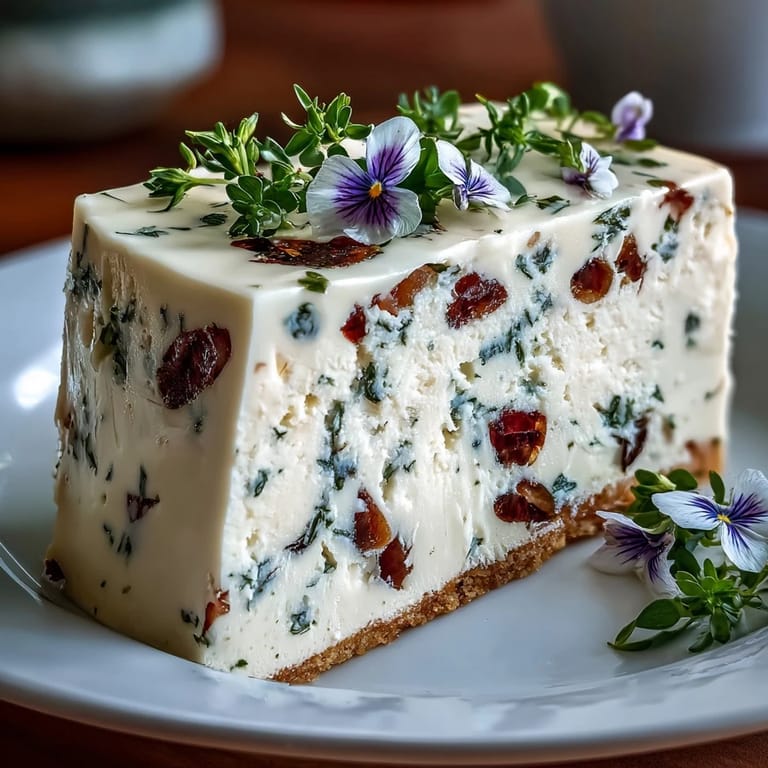
 There's a moment after you press the last flower on, step back, and realize you've created something almost too beautiful to cut into—that pause before the first slice where a simple cake becomes a small masterpiece. That's the magic of this recipe, and it never gets old.
Selecting and Pressing Your Flowers
The whole success of this cake depends on flowers you can trust, which means seeking out organically grown varieties that have never seen pesticides or chemical treatments. My neighbor grows her own, but farmers markets often have organic flower vendors, and some specialty grocers sell them specifically for decoration. Once you have them, press them between parchment paper and weight them down with heavy books—stack them high, because the pressure forces out moisture and flattens the petals into delicate, stainable sheets. Violets take about 24 hours, pansies and nasturtiums need roughly the same, and rose petals might take a few days longer depending on thickness. After pressing, store them in a cool, dark, dry place in a paper envelope, and they'll keep for weeks.
Why Whipped Cream Instead of Buttercream
Whipped cream feels like spring itself—light, ephemeral, and nothing like the heavy frosting you might default to on a winter cake. It lets the delicate vanilla flavor of the cake shine through without competing, and the contrast between cool cream and soft crumb creates a texture experience that makes people close their eyes for a moment. The trade-off is that you must keep this cake chilled and serve it relatively soon, but that's hardly a sacrifice when you taste the difference.
Making This Cake Your Own
The vanilla cake base is forgiving enough to play with gently—add a touch of lemon zest to the batter if you want brightness, or a whisper of almond extract for depth. You could brush each cake layer with a subtle syrup before frosting, or fold a few crushed freeze-dried berries into the whipped cream for color and tartness. The flowers are the star, so any variation you add should stay quiet and supportive.
- Lemon zest (1 to 2 teaspoons) added to the batter creates a spring garden flavor that pairs beautifully with delicate flowers.
- A light brush of simple syrup between layers keeps the cake moist and adds subtle sweetness without overpowering the vanilla.
- Freeze-dried raspberries folded into the frosting add color and a tart note that balances the sweetness.
 Pin it
 This cake taught me that sometimes the simplest act—placing one beautiful thing on top of another—creates something memorable. Bake it for someone who deserves to feel celebrated.
Recipe FAQs
- → How do you press edible flowers for decoration?
Press flowers between parchment paper and heavy books for at least 24 hours to achieve flat, dry petals ideal for decorating.
- → Can I prepare the whipped cream ahead of time?
Yes, whip the cream just before assembling for best texture and firmness, ensuring it holds well between layers.
- → What is the best way to ensure the cake layers bake evenly?
Grease pans and line with parchment paper, then bake at consistent 350°F (175°C) ensuring an even rise and moist crumb.
- → Are there variations to enhance the cake’s flavor?
Adding 1–2 teaspoons of lemon zest to the batter gives a subtle citrus kick that complements the floral decoration.
- → How should leftovers be stored?
Refrigerate chilled cake covered lightly with plastic wrap or in an airtight container to maintain freshness and prevent drying.