 Pin it
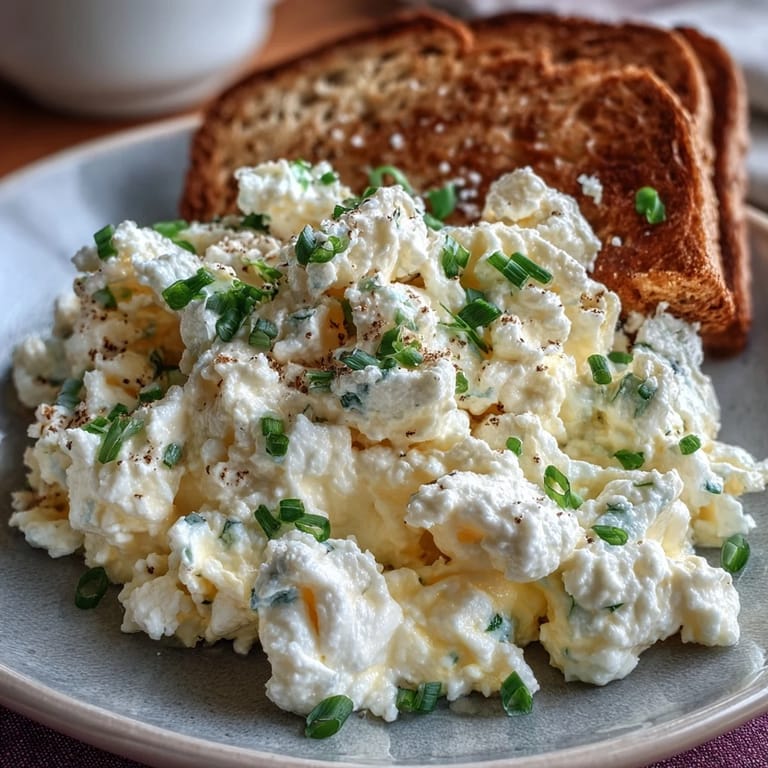
 The first morning I tried cottage cheese in my scrambled eggs, I was half-awake and craving something heartier than the usual. I had a tub of cottage cheese glaring at me from the fridge and decided to toss a spoonful into my usual egg mix, curious if it would vanish into the background or steal the show. As the eggs cooked, they turned unusually fluffy and steamed gently at the edges, an unexpected little transformation I could hear and almost feel. The kitchen warmed up with a tender, savory aroma, and even my cat lingered by the stove, sensing something special was going on. It wasn’t a big plan—just one of those Monday morning experiments that became a staple before I knew it.
I remember making a double batch of these eggs before an early walk with a friend last spring. The sun had barely crept in, and we laughed over how surprisingly good cottage cheese could make something as ordinary as scrambled eggs taste. A simple brunch turned into one of those rare, relaxed mornings where food and conversation just matched perfectly. I even forgot to add chives once, and we decided we didn’t miss them at all. Sometimes breakfast is just background, but this time it ended up taking the spotlight.
Ingredients
- Eggs (4 large): Fresh eggs are essential for fluffy, vibrant scrambles—always crack them into a separate bowl to avoid sneaky shells.
- Cottage cheese (1/2 cup): Low-fat or full-fat both work, but full-fat melts into the eggs for extra creaminess I can’t resist.
- Unsalted butter (1 tbsp): Real butter creates the silkiest, most flavorful base—don’t rush this melt, as I’ve learned the hard way.
- Fresh chives or green onions (1 tbsp, optional): Their subtle sharpness brightens the dish, and fresh is so much better here than dried.
- Salt (1/4 tsp): Just enough to enhance but not overwhelm—it’s easy to go overboard so I always sprinkle sparingly.
- Freshly ground black pepper (1/8 tsp): A touch of heat gives these eggs balance, and freshly ground is worth the extra twist.
Tired of Takeout? 🥡
Get 10 meals you can make faster than delivery arrives. Seriously.
One email. No spam. Unsubscribe anytime.
Instructions
- Whisk the eggs:
- Crack the eggs into a medium bowl and sprinkle in salt and pepper. Whisk until the yolks and whites become one smooth, golden blend.
- Add cottage cheese:
- Gently fold in cottage cheese so it’s just mixed in; don’t overbeat, as little pockets of cheese make every bite interesting.
- Melt the butter:
- Place a nonstick skillet over medium-low heat, add butter, and let it melt with a gentle sizzling sound before it browns.
- Cook the eggs:
- Pour in the egg mixture and gently stir with a spatula, letting the edges set while keeping everything moving so it cooks evenly.
- Finish softly:
- After 5–7 minutes, the eggs will look slightly creamy and pillowy—remove from heat just before they seem fully set.
- Add garnishes and serve:
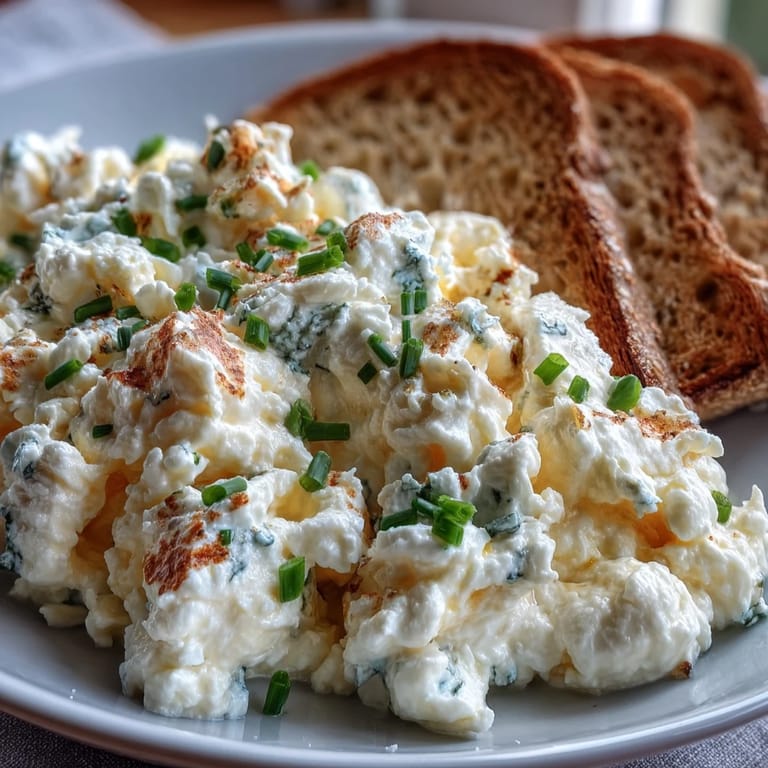
- Scatter fresh chives or green onions over the top if using, then enjoy straight from the pan while still hot.
 Pin it
  Pin it
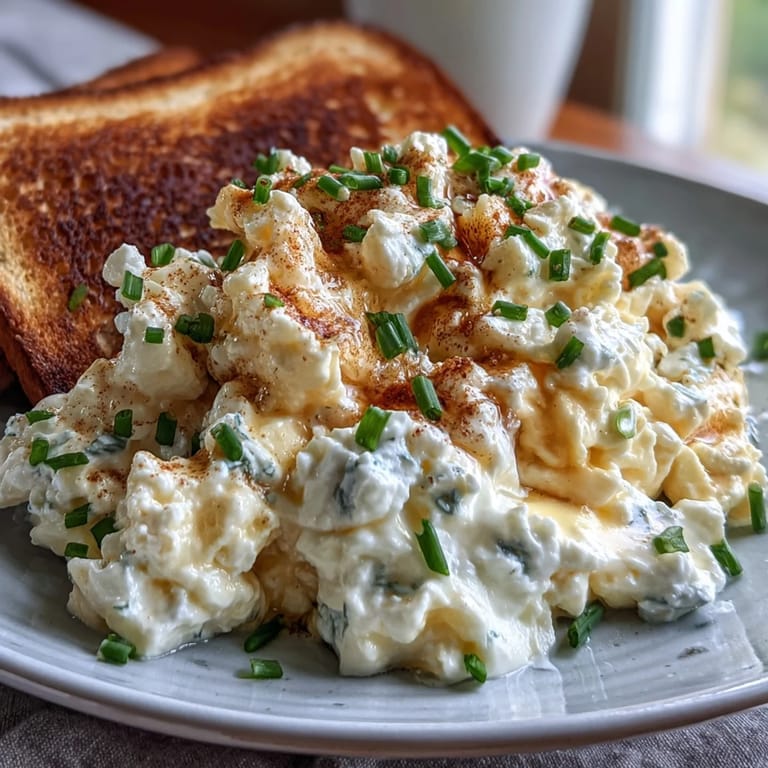
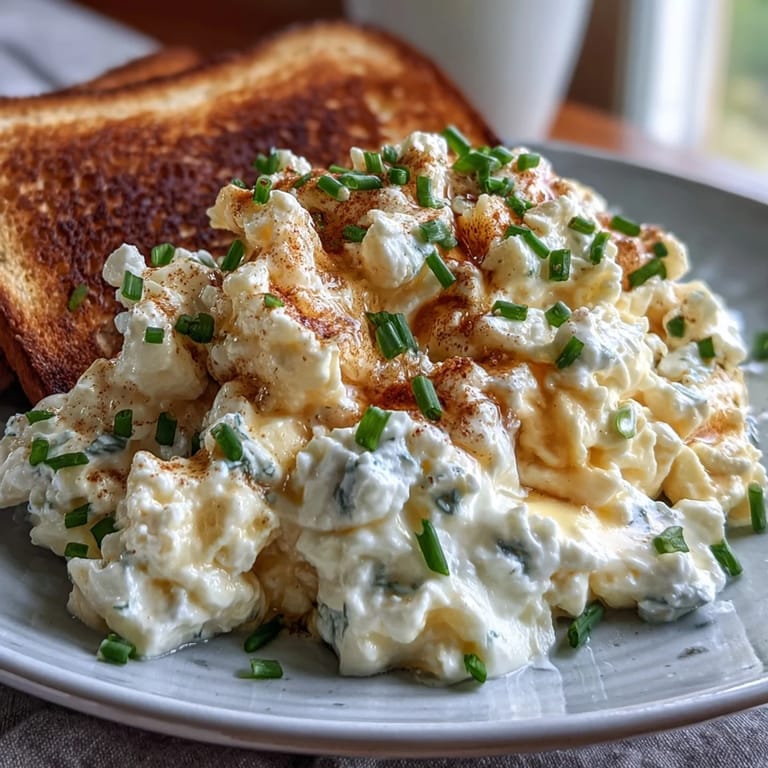
 One Saturday, I brought out these eggs on a tray for a late breakfast in bed—no special occasion, but the way the steam rose from the plate made it feel like a celebration. The humble combination of simple ingredients had a way of coaxing smiles I didn’t expect.
Troubleshooting Your Scrambled Eggs
If your eggs start to look watery or rubbery, don’t be discouraged—it took me a few tries to nail the timing too. Cooking on too high heat is often the culprit, as the curds will seize up before blending with the cheese. Sometimes a little patience and gentle stirring transform the eggs completely, and if things go sideways, a sprinkle of fresh herbs tends to save the day. Eggs can be forgiving if you’re willing to slow down just a bit.
How to Change Up the Flavors
Every so often, I swap in a pinch of smoked paprika, stir in a handful of baby spinach, or even toss some fresh dill over the eggs at the end. I’ve found a little cooked turkey or smoked salmon adds both protein and extra flavor, especially if you’re hungry after a morning workout. Don’t be afraid to use silken tofu in place of cottage cheese or swap the butter for olive oil if you’re dairy-free—the technique still works beautifully.
Sides and Serving Suggestions
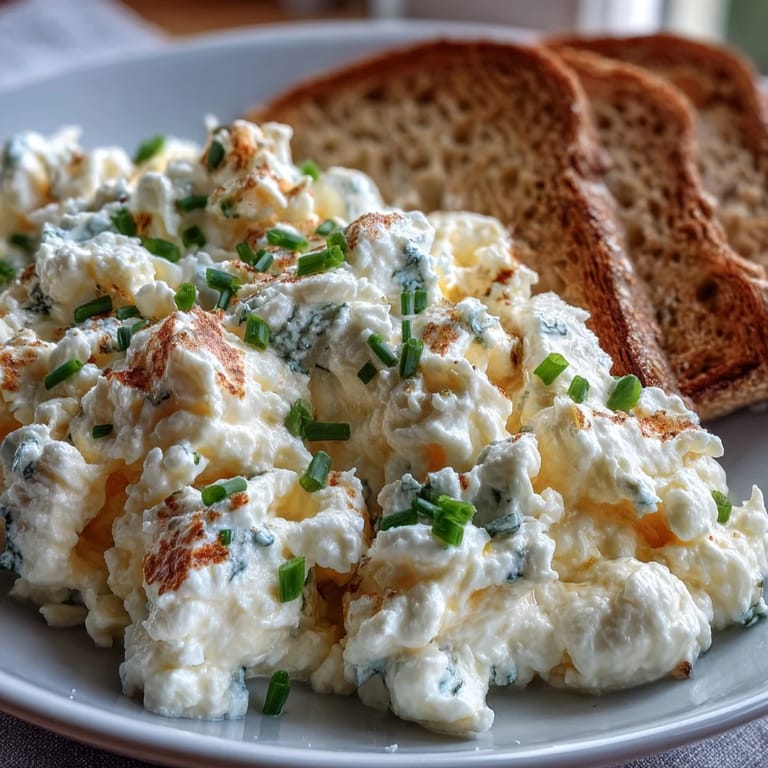
For a balanced meal, I usually pair these eggs with whole-grain toast or scatter some roasted cherry tomatoes on the plate. Fresh fruit, crispy potatoes, or even a simple salad on the side keep things feeling special without any extra fuss. Sometimes it’s the little details that make breakfast memorable.
- If you have extra chives, reserve them for the very end.
- Swap in any favorite herb to keep things fresh.
- Gently tilt the pan to catch any uncooked egg and fold it in for a perfect finish.
 Pin it
  Pin it
 Here’s hoping your morning is a little bit brighter with a plate of these creamy eggs. They’re the kind of breakfast that’s always worth a few mindful extra minutes.
Recipe FAQs
- → How do I keep the eggs soft and not overcooked?
Cook over medium-low heat and stir gently and continuously as the eggs set. Remove from heat while they still look slightly underdone; carryover heat will finish them. Using butter and cottage cheese adds extra moisture that helps prevent dryness.
- → Can I use low-fat cottage cheese or should I use full-fat?
Both work. Full-fat yields a richer, creamier texture while low-fat keeps calories down but may be slightly less creamy. Drain very watery cottage cheese to avoid thinning the eggs.
- → What are good mix-ins to add flavor and nutrition?
Chopped chives, green onions, baby spinach, smoked paprika, diced tomato, or a handful of grated cheddar all complement the profile. For extra protein, add diced cooked turkey or smoked salmon near the end of cooking.
- → How can I make this without dairy?
Swap cottage cheese for silken tofu blended until smooth and use olive oil or a plant-based spread instead of butter. Cook gently as with the dairy version to achieve a soft texture.
- → What temperature and pan should I use?
Use a nonstick skillet over medium-low heat. The lower temperature and nonstick surface allow slow, gentle cooking, which yields creamier curds and prevents sticking or browning.
- → Can I prepare this ahead of time?
Made eggs are best fresh; if you must, refrigerate in an airtight container and gently reheat over low heat, stirring frequently. Texture will be softer than freshly cooked; add a splash of milk or a few crumbles of cottage cheese when reheating to restore creaminess.