 Pin it
 There's something about the smell of orange zest hitting warm dough that makes a kitchen feel like a celebration before breakfast has even started. I discovered these rolls on a gray March morning when I was determined to brighten someone's day with something other than the usual cinnamon swirl. The combination of citrus in the dough, the filling, and the frosting all at once felt almost excessive until that first bite—then it made perfect sense. It's become my go-to when I want to impress without the stress.
My sister called me mid-morning one Sunday asking if I could bring something special to her daughter's confirmation brunch. I had maybe three hours, and these rolls saved me because the dough rose beautifully while I showered and got dressed. When I pulled them from the oven, the kitchen smelled so good that my mom actually paused mid-conversation to just breathe it in. They disappeared before dessert was even mentioned.
Ingredients
- All-purpose flour: This is your base, and using the exact measurement by weight instead of cups makes a real difference in texture—too much flour makes dense rolls, too little makes them sticky and hard to shape.
- Active dry yeast: Make sure it's fresh; old yeast is the quiet killer of bread projects, so check that date and don't skip the foaming test.
- Orange zest and fresh orange juice: Don't even think about using bottled juice here—fresh juice is brighter and actually changes the flavor profile in a way that matters.
- Whole milk and eggs: Both need to be room temperature or your dough will be sluggish and won't rise evenly; pull them out of the fridge while you're gathering everything else.
- Unsalted butter: Use it melted for the dough and softened for the filling—the difference in how they incorporate is noticeable and affects the final texture.
- Cream cheese and powdered sugar for frosting: The cream cheese must be truly softened, not melted, or your frosting becomes thin and slides off; let it sit on the counter for at least 30 minutes.
Tired of Takeout? 🥡
Get 10 meals you can make faster than delivery arrives. Seriously.
One email. No spam. Unsubscribe anytime.
Instructions
- Awaken the yeast:
- Warm your milk gently—too hot kills the yeast, too cool and nothing happens—until it's around 110°F (43°C), then pour it over the yeast and sugar and just watch it bloom and foam. This five to ten minute pause is your insurance that everything that follows will actually work.
- Build your dough:
- Once the yeast is foamy, add the melted butter, orange zest, eggs, and salt, stirring until it's messy and wet. Gradually add flour, letting each addition fully incorporate before adding more, so you end up with a soft dough that's slightly sticky but still manageable.
- Knead with intention:
- Whether you use a stand mixer or your hands, knead for eight to ten minutes until the dough becomes smooth and elastic and springs back when you poke it. You'll feel the exact moment it transforms from rough to silky.
- Let it rise:
- Grease a bowl, plop the dough in, cover it with a clean kitchen towel, and find a warm, draft-free spot—an oven with the light on works perfectly. An hour later, it should have nearly doubled; if your kitchen is cold, it might take longer, so give it time rather than rushing it.
- Make your filling magic:
- While the dough rises, mix the sugar and orange zest together in a bowl, squeezing and pressing them with your fingers to release all those fragrant oils. The mixture should smell intensely orange-y and look slightly wet from the zest's natural juice.
- Roll and fill:
- Punch down the dough with a satisfying fist, then roll it out on a floured surface into a rough sixteen by ten inch rectangle. Spread softened butter over the whole thing, then sprinkle that orange sugar all over, making sure it gets into the edges and corners.
- Cut with care:
- Starting from the long side, roll the dough tightly toward you like you're rolling a yoga mat, keeping tension as you go so the spiral is snug. With a sharp knife or unflavored dental floss, cut the log into twelve equal pieces—floss works shockingly well and gives you cleaner cuts than sawing with a dull knife.
- Second rise in formation:
- Arrange the rolls cut-side up in a greased nine by thirteen inch baking dish, cover loosely with plastic wrap or a towel, and let them puff up for thirty to forty minutes. They should be touching slightly but not squished together, and when you gently poke one, it should feel soft and puffy.
- Bake until golden:
- Preheat to 350°F (175°C), then bake the rolls for twenty-two to twenty-five minutes until they're deep golden brown on top and a skewer inserted in the middle comes out clean. The smell that fills your kitchen at this point is pure anticipation.
- Prepare the frosting while they bake:
- Beat softened cream cheese and butter together until completely smooth with no lumps, which takes about two minutes. Gradually add the powdered sugar, then orange juice, zest, vanilla, and salt, beating until you have something thick and spreadable and absolutely orange-scented.
- Frost while warm:
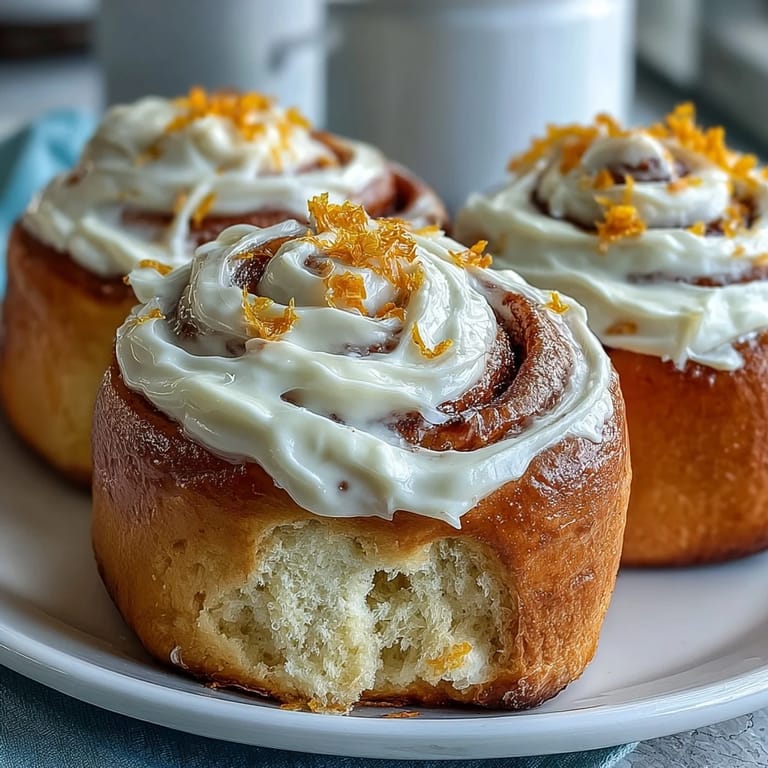
- Let the rolls cool for just ten minutes so the frosting doesn't melt immediately, then spread it generously over each warm roll. The warmth helps it soften slightly and sink into all the crevices, which is exactly what you want.
 Pin it
 I made these for a friend dealing with a rough month, and seeing her eyes light up at breakfast felt like more than just sharing food—it was a small way of saying I was thinking about her. Somehow orange rolls do that; they carry a brightness that goes beyond flavor.
The Art of Rolling Without Stress
Rolling out yeast dough is one of those kitchen skills that looks harder than it actually is. I used to tense up thinking I'd mess up the shape, but what I've learned is that imperfection is almost invisible once they're baked and sitting next to each other in the pan. Your rectangle doesn't need to be perfectly measured—close enough means they'll still rise and taste incredible. The tightness of your roll matters more than the precision of your measurements.
Orange Juice Matters More Than You Think
The first time I made these with bottled orange juice concentrate, something was off—the flavor felt muted and weirdly artificial. Fresh juice tastes completely different because you're getting the actual oils and brightness of fresh citrus instead of a processed approximation. Since then, I always squeeze oranges fresh, and even when it feels like an extra step, it's the difference between good rolls and ones that make someone close their eyes while eating. Your guests will taste the difference, even if they can't quite name what makes it special.
Cream Cheese Frosting Secrets and Sunday Morning Timing
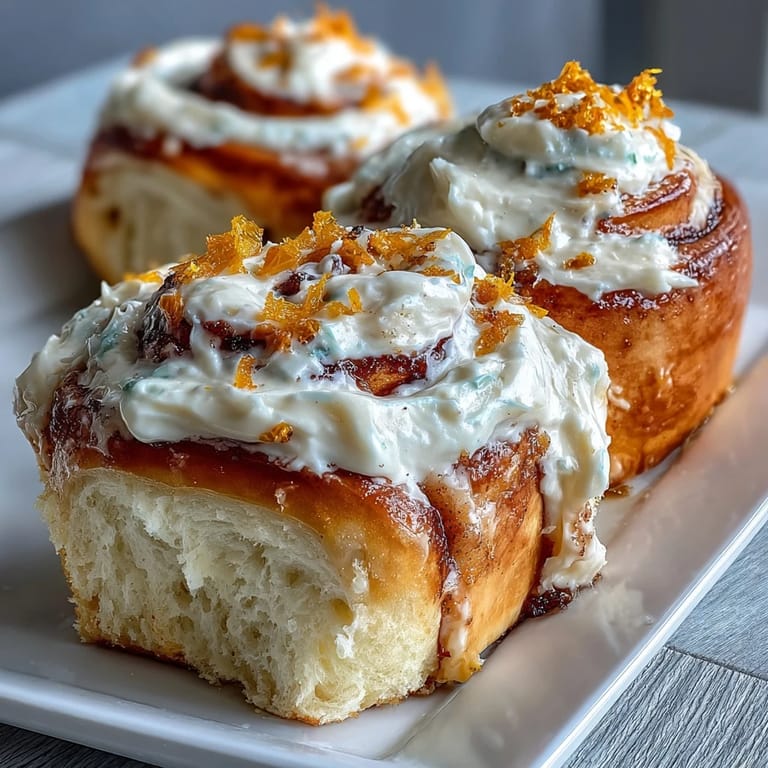
The frosting is where people often struggle because they don't realize that temperature matters as much as technique. I learned this the hard way by using cream cheese straight from the fridge, which refused to blend smoothly with the butter and ended up lumpy. Now I pull it out while the dough is still rising, and those thirty minutes make everything cooperate beautifully. If you're ever in a rush, placing the container in warm water for five minutes speeds things up without melting it.
- Beat the cream cheese and butter together until there's literally not a speck of lumps, which takes longer than you'd think but is absolutely non-negotiable.
- Add powdered sugar gradually while beating so it incorporates evenly and doesn't get everywhere; rushing this step creates a dusty mess.
- Taste the frosting before spreading it on the rolls and add an extra teaspoon of orange zest if it feels like the orange flavor is whispering instead of speaking clearly.
 Pin it
 These rolls have become my answer to almost every brunch, special breakfast, and morning that needs a little brightness. Make them once and you'll understand why they're worth the two-and-a-half hour commitment.
Recipe FAQs
- → How do I ensure the rolls are fluffy?
Knead the dough until smooth and elastic, then allow it to rise in a warm place until doubled in size. Proper rising develops light, airy texture.
- → Can I prepare the rolls in advance?
Yes, after shaping, cover and refrigerate overnight. Let them come to room temperature and rise before baking for best results.
- → What gives the rolls their citrus flavor?
Fresh orange zest and juice incorporated in the dough, filling, and frosting provide the bright citrus aroma and taste.
- → How should I store leftover rolls?
Keep them in an airtight container at room temperature for up to 2 days, or refrigerate for up to a week, then warm gently before serving.
- → Can I substitute the cream cheese frosting?
While the cream cheese frosting complements the rolls’ tanginess, a simple orange glaze or butter spread can be used as alternatives.